
Milford CT Waterfront Properties: Your 2026 Buying Guide
Milford’s shoreline stretches for more than 17 miles along Long Island Sound, giving the city one of the longest coastlines in Connecticut. According to City of Milford Economic Development, this extensive waterfront includes public beaches, marinas, and tidal estuaries, creating a wide range of residential settings. From classic cottages near Walnut Beach to contemporary homes along East Broadway, Milford CT waterfront properties offer buyers diverse price points, architectural styles, and amenity levels heading into the 2026 market.
How Do Milford CT Waterfront Micro-Neighborhoods Differ?
Milford’s shoreline breaks into distinct micro-neighborhoods with very different atmospheres and housing stock. Silver Sands State Park anchors a corridor of beach streets including Silver Sands Parkway and Kings Highway, where low-rise cottages sit close to the sand. Further east, Walnut Beach and Broadway offer a boardwalk setting with cafés and small galleries. According to Connecticut DEEP, Silver Sands spans roughly 300 acres of beach, dunes, and marsh, influencing conservation rules for nearby properties.
Closer to Milford Harbor, properties along Milford Point Road and Naugatuck Avenue overlook tidal inlets and marshland. Many homes near Lisman Landing Marina and Milford Yacht Club feature deep-water access, private docks, or mooring rights. The streets around Gulf Beach, including Gulf Street and Seaside Avenue, lean more traditional, with Colonial and Cape-style homes from the mid-1900s. Farther west, Laurel Beach and Fort Trumbull Beach present a quieter residential feel, with setbacks, lawns, and private beach associations shaping ownership responsibilities.
Late afternoon at Walnut Beach brings the soft crash of waves against the pier and the faint scent of salt and sunscreen drifting over East Broadway. Seagulls wheel above the Walnut Beach Creamery, and the glow from cafés on New Haven Avenue reflects across damp sand as the tide recedes. Porch railings along Viscount Drive cool under the breeze, while the wooden planks of the boardwalk warm bare feet, creating a relaxed but distinctly lived-in waterfront rhythm.
What Price Ranges and Property Types Define the 2026 Market?
Milford CT waterfront properties span from compact seasonal cottages to substantial year-round residences. According to Realtor.com, many entry-level shoreline homes list in the approximate range of $450,000 to $650,000 as of late 2025, depending on proximity to direct beach access. Townhouses and small condominiums near downtown Milford and the harbor can trade below that range, though units with unobstructed water views often command premiums of 10% to 20%.
For larger single-family homes in neighborhoods such as Laurel Beach, Gulf Beach, and Fort Trumbull Beach, list prices frequently extend into the $900,000 to $1.4 million range. Based on market tracking by Redfin, shoreline properties in Milford have recently sold at per-square-foot prices between $325 and $475, reflecting scarcity of direct waterfront inventory. Newer construction from the last 10 to 15 years, built with elevated foundations and modern coastal codes, typically sits at the upper end of that band.
Condominium developments close to Milford Green, such as those off High Street and Broad Street, occasionally feature partial harbor views. These buildings, often under 40 units, appeal to buyers seeking lower maintenance while remaining within a mile of Gulf Beach. According to Walk Score, central Milford posts a walk score around 74, meaning many residents in these complexes can reach restaurants on Daniel Street and Factory Lane without relying on daily car trips.
How Does Location Affect Commute, Schools, and Daily Convenience?
Waterfront living in Milford connects directly with regional employment centers through rail and highway corridors. The Milford Train Station, located near High Street and Daniel Street, offers Metro-North service to Grand Central Terminal in approximately 80 to 90 minutes, based on published schedules from Metro-North Railroad. Access to Interstate 95 at Exit 36 and Exit 39, along with U.S. Route 1 on Boston Post Road, provides flexible commuting options for residents of Gulf Street, Naugatuck Avenue, and Bridgeport Avenue corridors.
Public schools form another critical factor. Waterfront homes east of Milford Harbor often feed into Joseph A. Foran High School off East Shore Drive, while areas closer to Woodmont and Morningside connect to Jonathan Law High School on Lansdale Avenue. According to GreatSchools, Jonathan Law holds a rating in the middle of the state range, with advanced coursework options and enrollment over 800 students. Middle schools such as East Shore Middle and West Shore Middle also draw from several shoreline neighborhoods.
On a crisp fall morning near Gulf Beach, the bell from St. Peter’s Episcopal Church drifts across Gulf Street as sunlight glints off calm water. The aroma of coffee from shops on Broad Street mixes with a faint briny scent rising from Milford Harbor. Students pass along Seaside Avenue toward Joseph A. Foran High School, backpacks brushing against cool stone walls, while the rumble of a distant Metro-North train underlines how tightly daily life connects beach, downtown, and station.
What Risks, Regulations, and Ongoing Costs Shape Ownership?
Owning Milford CT waterfront properties requires attention to flood risk, elevation, and insurance. Many streets near Walnut Beach, Milford Point, and the Wepawaug River fall within FEMA-designated flood zones, which can increase annual insurance costs significantly. According to guidance from the Federal Emergency Management Agency, premiums in higher-risk zones may run from approximately $1,200 to more than $3,000 per year, depending on elevation certificates and mitigation work such as breakaway walls or raised utilities.
Property taxes, assessed by the City of Milford, vary with neighborhood, lot size, and improvement value. Based on mill rates published by Milford Tax Collector, the effective rate has hovered around the equivalent of 2% to 2.2% of assessed value in recent years. Owners of higher-end homes near Laurel Beach or Fort Trumbull Beach, where assessed values can surpass $800,000, should plan for annual tax obligations in the range of several tens of thousands of dollars.
Coastal construction and renovation carry additional regulatory layers. Setback requirements, limits on hardening shorelines, and rules for elevating structures come into play, particularly near Silver Sands State Park and Milford Point. Guidance from Connecticut DEEP Coastal Management notes that approvals may involve both local zoning officials and state coastal staff. Timelines for review can stretch several months, affecting project planning and carrying costs for waterfront investors.
Which Lifestyle Amenities Distinguish Milford’s Waterfront from Other Shoreline Towns?
Milford’s compact downtown and harbor create a distinctive balance between small-city amenities and relaxed beach living. Milford Green, set along Broad Street and South Broad Street, hosts community events within walking distance of restaurants like Stonebridge Restaurant on High Street and Archie Moore’s Bar & Restaurant on Factory Lane. Lisman Landing Marina offers transient and seasonal slips, with roughly 40 to 50 berths, according to Milford Harbor Management. This proximity allows many waterfront residents to combine boating, dining, and errands without lengthy drives.
Recreation options extend beyond the immediate shoreline. Eisenhower Park on North Street provides athletic fields, walking paths, and wooded areas within about 3 miles of Gulf Beach. Fowler Field near Shipyard Lane supports seasonal sports and events adjacent to the harbor. Silver Sands State Park offers a broad sandy beach and views toward Charles Island, drawing residents from East Broadway, Anderson Avenue, and surrounding streets for walking, bird-watching, and swimming during warmer months.
Year-round services add practical depth to the lifestyle equation. Milford Public Library on New Haven Avenue, healthcare providers along Cherry Street, and retail centers on Boston Post Road, including supermarkets and national chains, lie within roughly 10 minutes’ drive of most shoreline neighborhoods. According to Walk Score, several blocks surrounding the Green and train station achieve walk scores above 80, indicating that errands, dining, and entertainment often remain accessible on foot for nearby waterfront residents.
The 17-mile coastline statistic cited at the start of this guide reflects the fundamental advantage that sets Milford CT waterfront properties apart, combining sheer shoreline length with multiple distinct neighborhoods. That same figure from the opening underscores how much variety exists within a single municipality for buyers prioritizing water access. The Realtor.com Milford market page offers ongoing data on list prices, inventory, and days on market for local shoreline listings. During the spring market of 2026, buyers who register search alerts, monitor new waterfront listings at least every 24 hours, and schedule in-person tours within 48 hours of promising properties entering the market before the late-May activity surge will secure a broader selection of homes and face less intense bidding than those delaying decisions into early summer.
FROM OUR BLOG

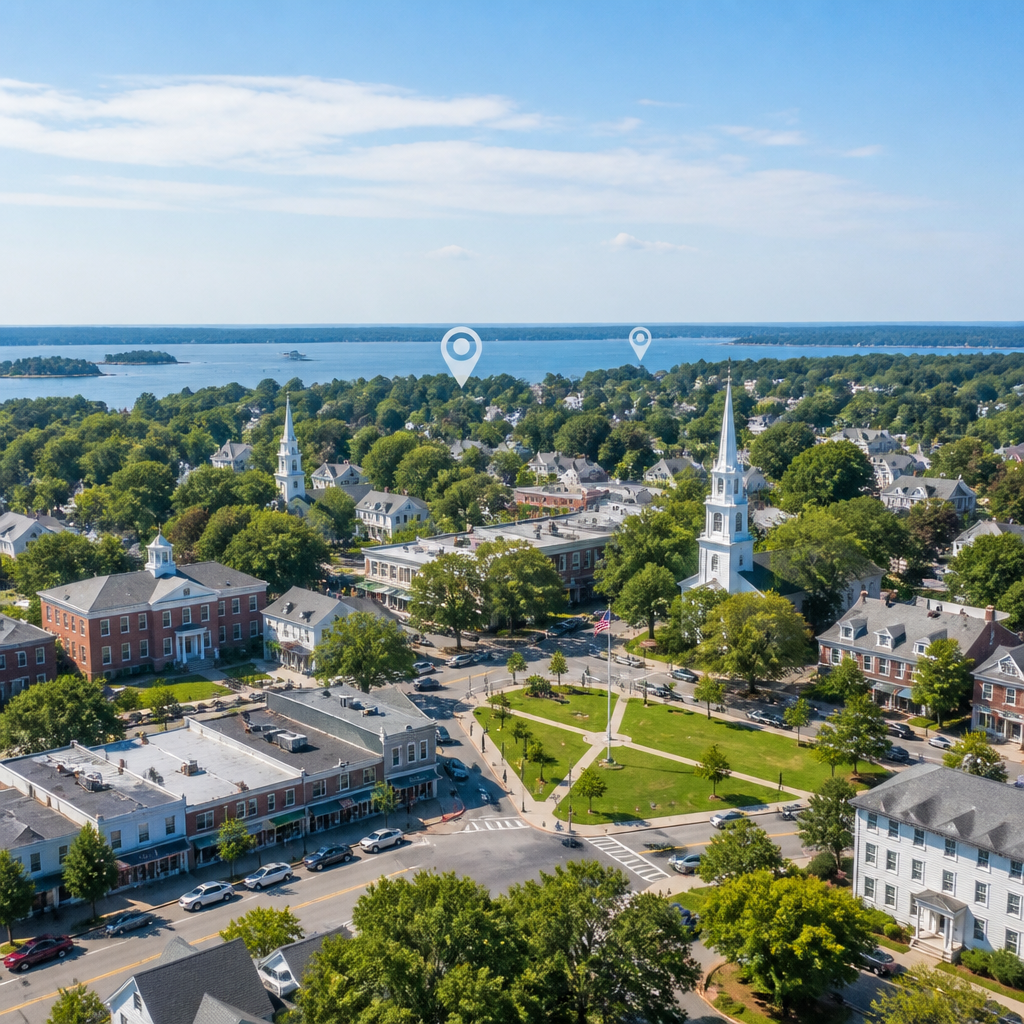
Guilford CT Neighborhood Guide: Explore the Best Areas in 2026
Guilford CT Neighborhood Guide: Explore the Best Areas in 2026 Guilford offers historic charm, shoreline scenery, and strong schools within a compact coastal town. According to U.S. Census QuickFacts, Guilford’s population sits in the range of 22,000 to 23,000 residents as of 2022, giving neighborho
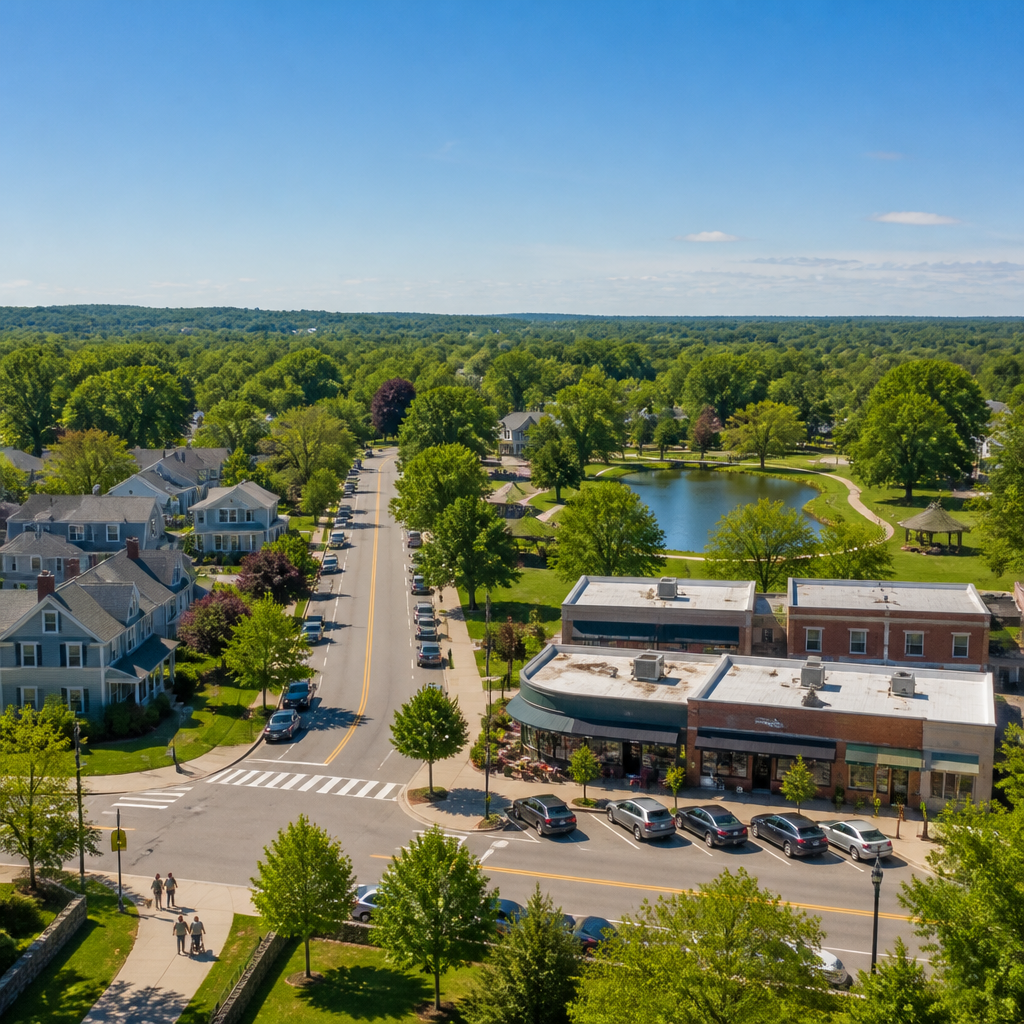
Moving to Trumbull CT: A Complete Guide for New Residents in 2026
Moving to Trumbull CT: A Complete Guide for New Residents in 2026 Moving to Trumbull CT in 2026 places new residents in a Fairfield County town often noted for its balance of space, schools, and access. According to U.S. Census QuickFacts, Trumbull’s population sits near $36,000 residents as of 2023

November Home Tips & Market Update | Connecticut Real Estate
As Connecticut heads into the colder months, many homeowners, buyers, and renters are wondering how to prepare their homes and what’s happening in the November housing market. Whether you’re planning to buy, sell, or simply make smart home updates before winter, here’s what to know to stay cozy, s